Overview
Valley of Flowers — A UNESCO World Heritage Bloom in Bhyundar Ganga
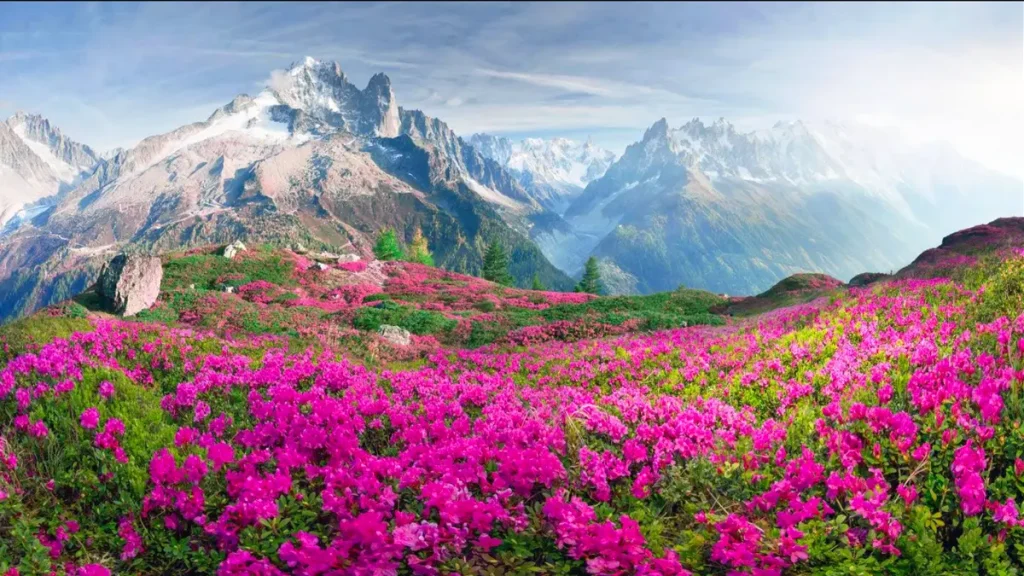
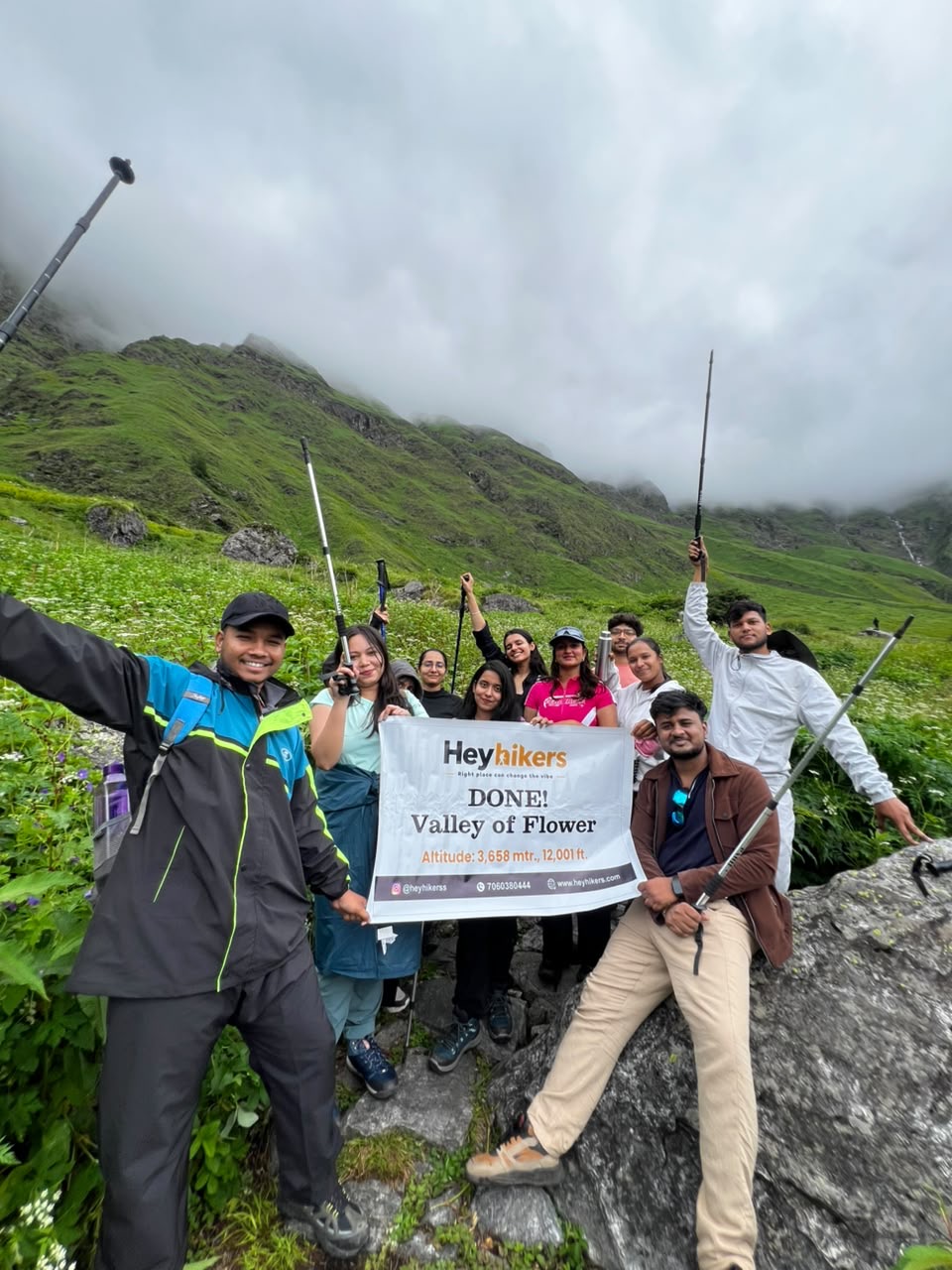
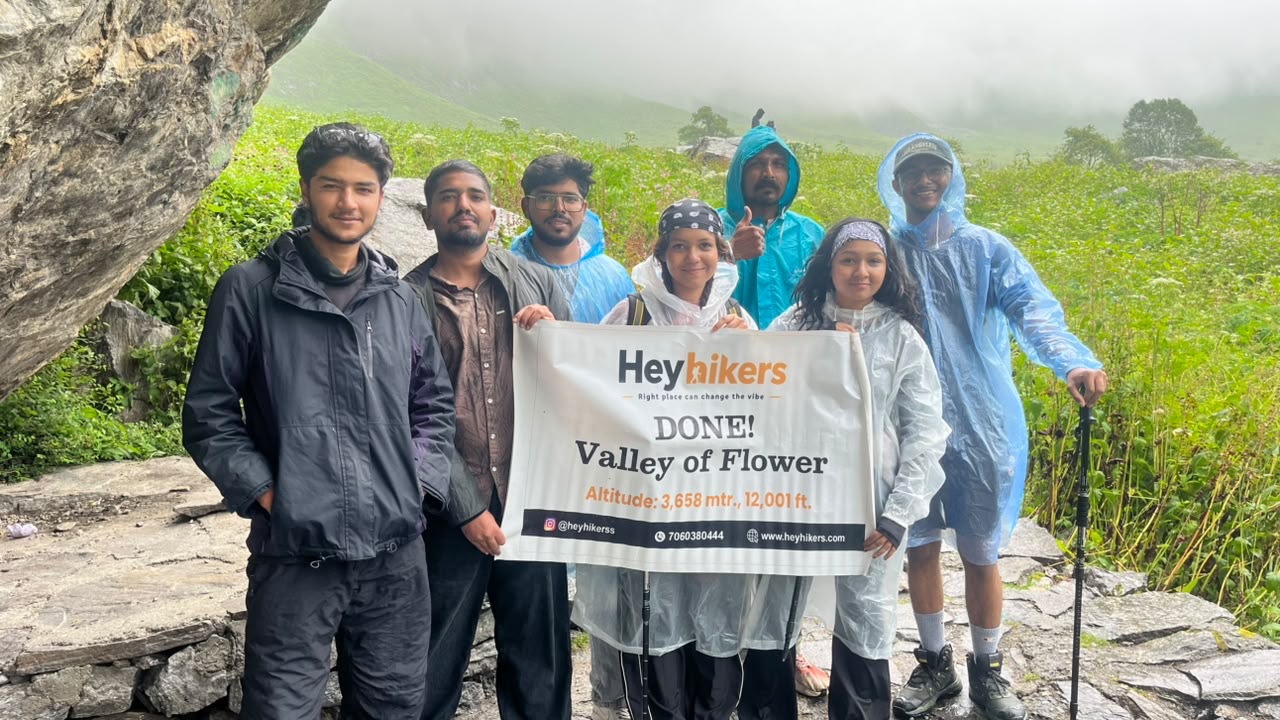
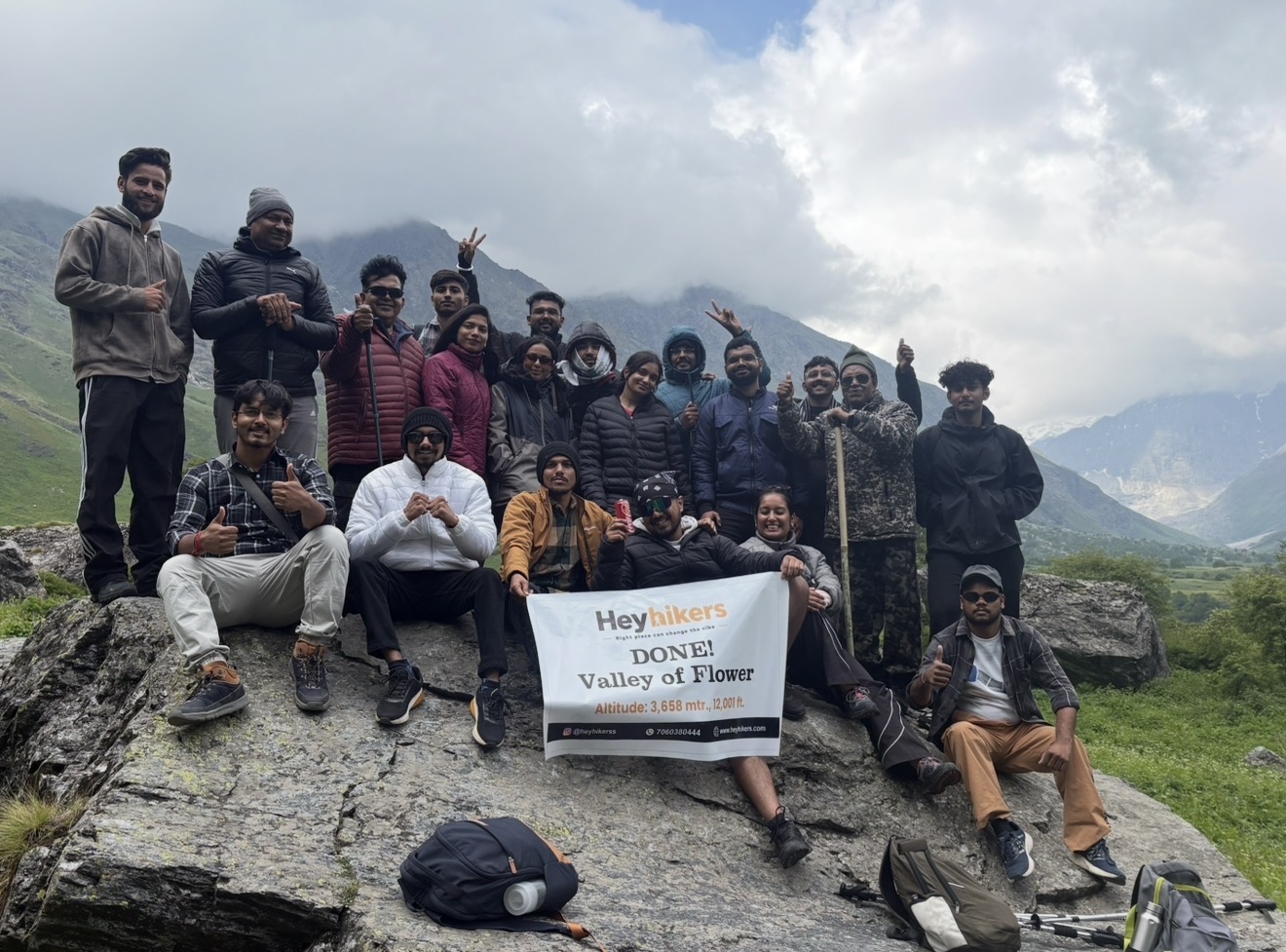
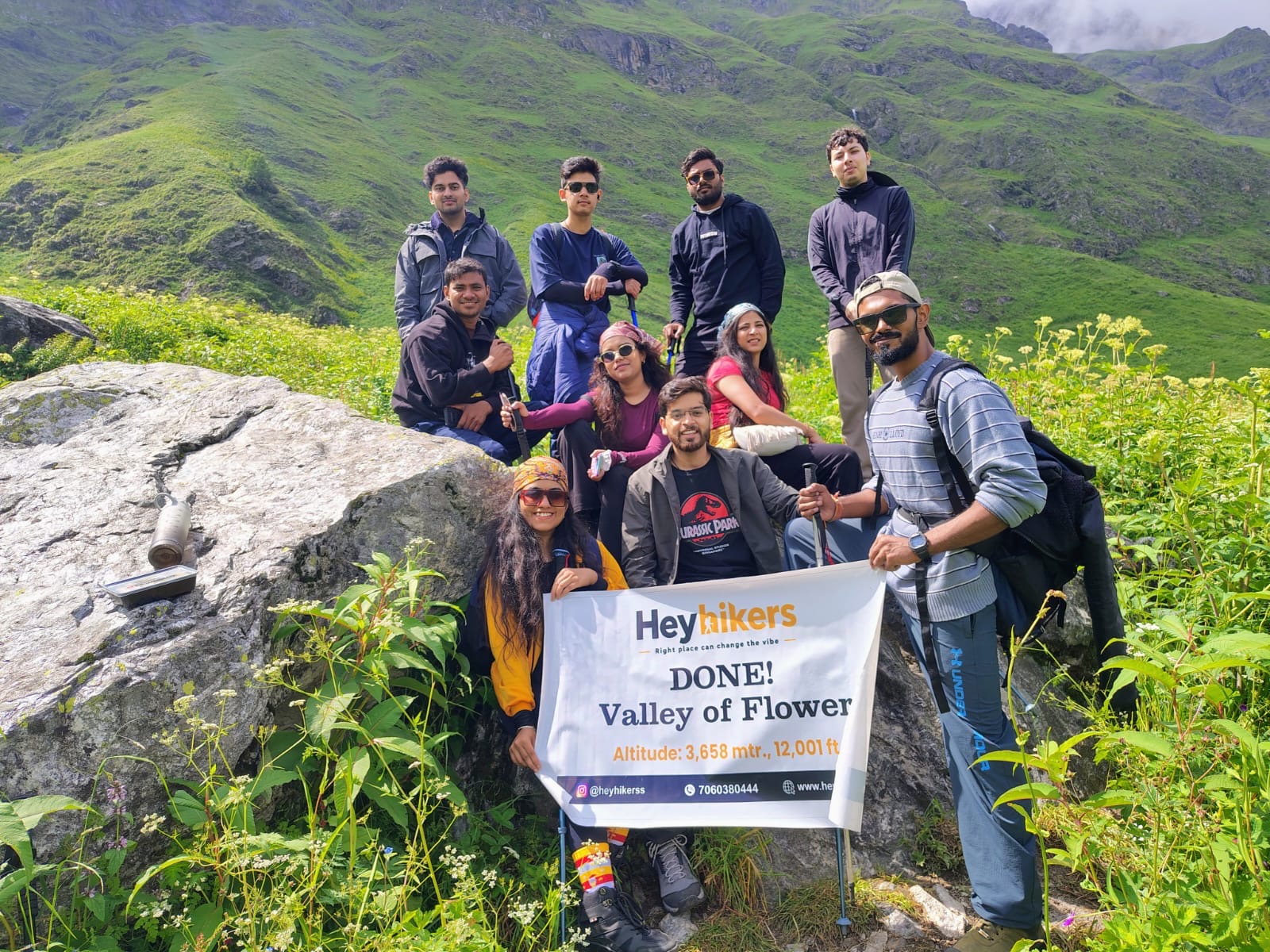
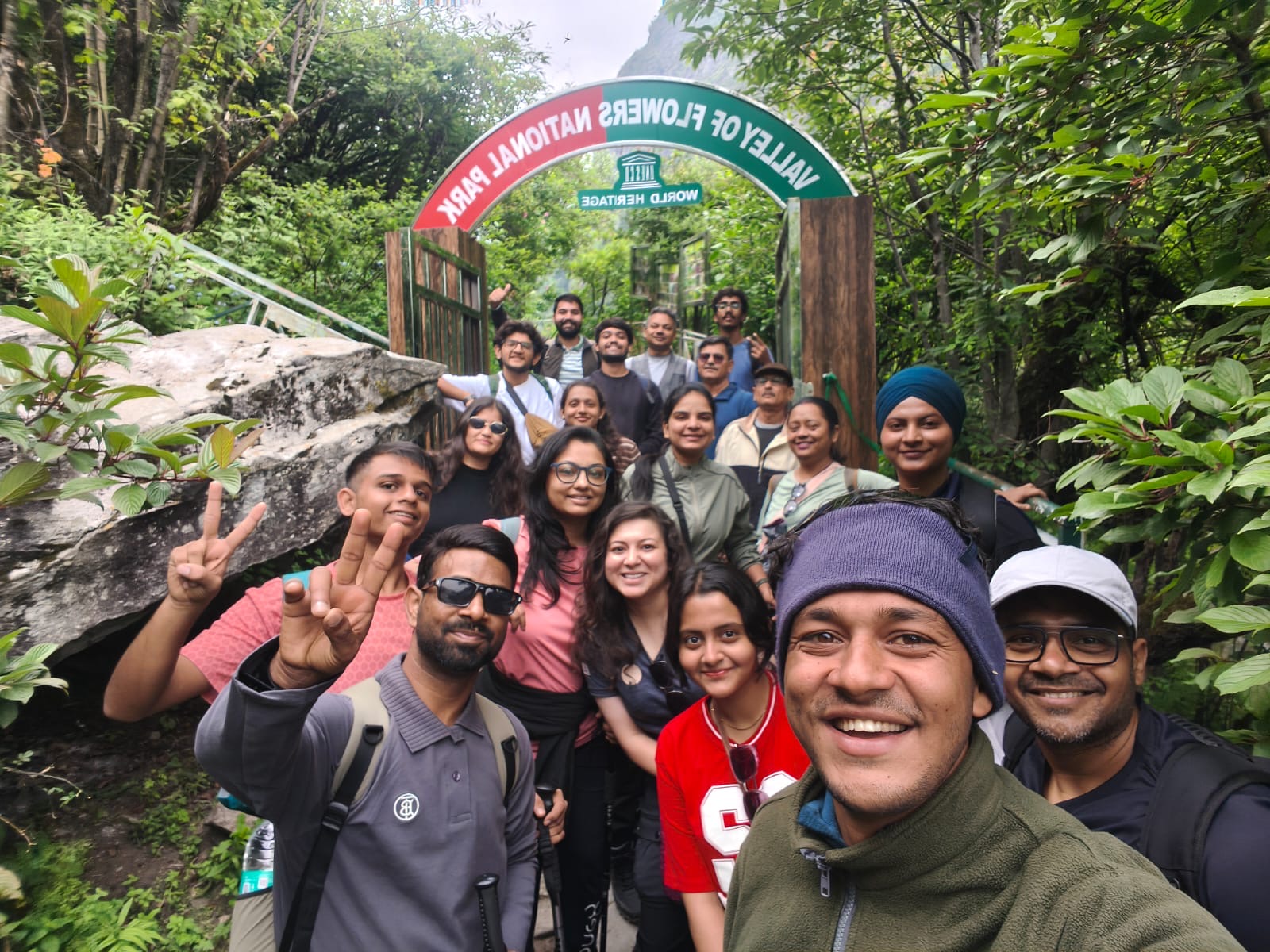
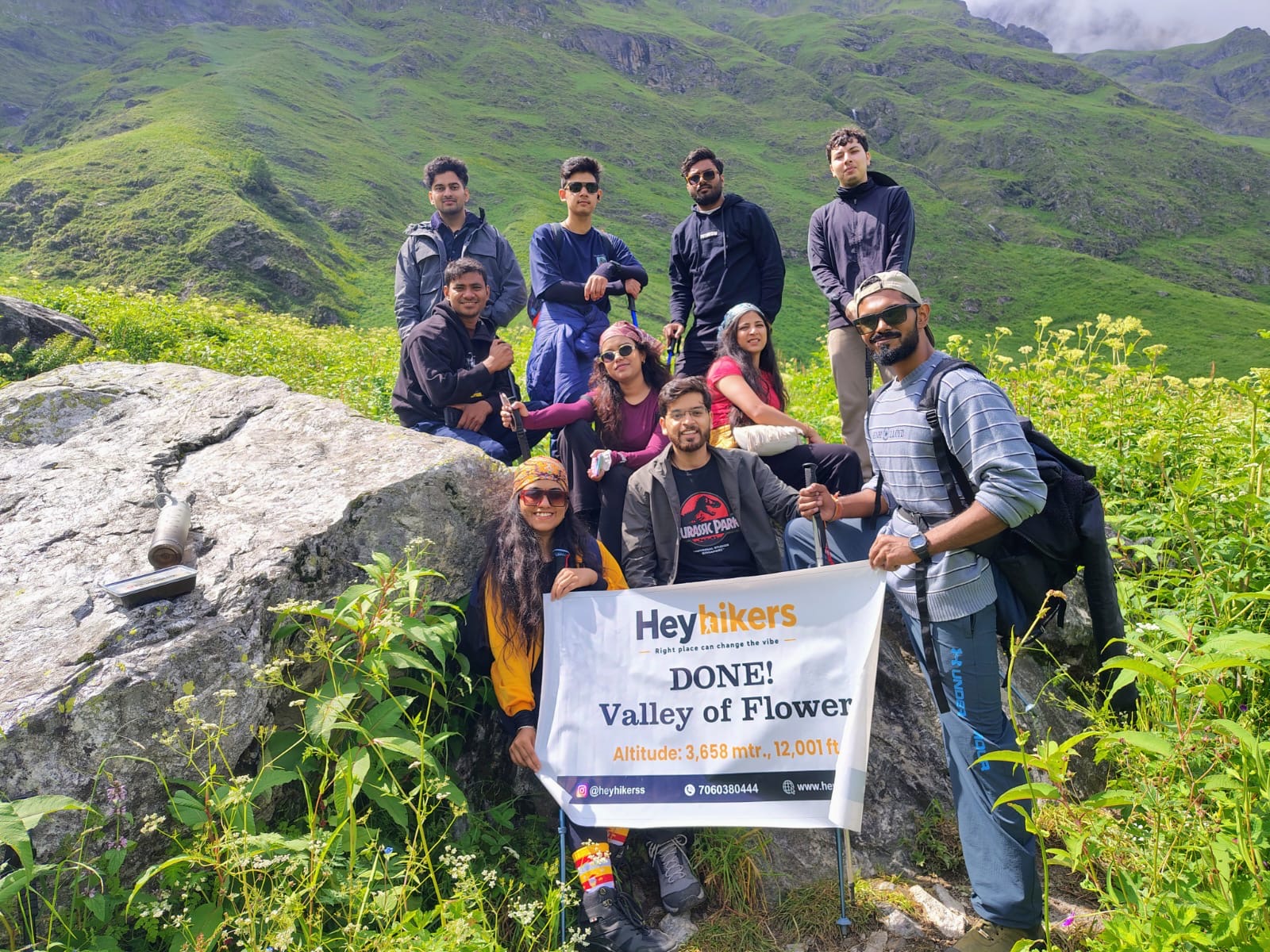
The Valley of Flowers is one of the most singular trekking destinations on earth — for roughly eight weeks each monsoon, an 87 sq km basin in Uttarakhand's Chamoli district erupts into a carpet of more than 600 documented species of endemic Himalayan flowers. The valley sits at 3,352-3,658 m (11,000-12,000 ft) in the Bhyundar Ganga basin, a tributary of the Alaknanda, and has been a UNESCO World Heritage Site since 2005. Combined with the Sikh pilgrimage to Hemkund Sahib, the trek delivers monsoon wildflowers, glacial alpine landscapes, and one of the most active living pilgrim trails in India in a single six-day arc.
Why this trek is unique
Most Himalayan treks reward you with mountain views; the Valley of Flowers rewards you with a botanical experience that does not exist anywhere else on the subcontinent. The valley's specific geography — a U-shaped glacial trough running east-west, with steep walls trapping monsoon moisture and a south-facing floor that catches direct sunlight — produces a microclimate where alpine wildflowers bloom at a density and diversity not found elsewhere in the Indian Himalayas. The bloom window is short (mid-July to mid-September) and intense; in peak August you can see 30-40 species in a single half-kilometre walk. The pairing with Hemkund Sahib at 14,200 ft adds a second, very different reward — one of the highest gurudwaras in the world, ringed by seven snow peaks, with free langar served to pilgrims daily.
The botany — what you will actually see
The valley's signature flowers include the Himalayan blue poppy (Meconopsis aculeata) — the iconic luminous blue flower that British botanists hunted for the better part of the 19th century — the brahmakamal (Saussurea obvallata), which is the state flower of Uttarakhand and blooms only above 12,000 ft, the cobra lily (Arisaema), Himalayan bellflower, marsh marigold, geraniums, primulas, anemones, potentillas, and dozens of orchid species. The valley also hosts about 500 species of butterflies and is a documented habitat of the Himalayan musk deer, snow leopard (rarely sighted), and the bharal (blue sheep).
The historical context
The valley was 'discovered' for Western readers by British mountaineer Frank S. Smythe in 1931, who stumbled into it while descending from a Mount Kamet expedition. His 1938 book 'The Valley of Flowers' made the valley internationally famous and established the modern trekking route. In 1939 the British botanist Joan Margaret Legge died in the valley while collecting flower specimens for the Royal Botanic Gardens, Edinburgh; her grave is a marked point near the upper viewpoint. The valley was declared a National Park in 1982 and inscribed as a UNESCO World Heritage Site in 2005 alongside the adjacent Nanda Devi National Park.
The route from Haridwar
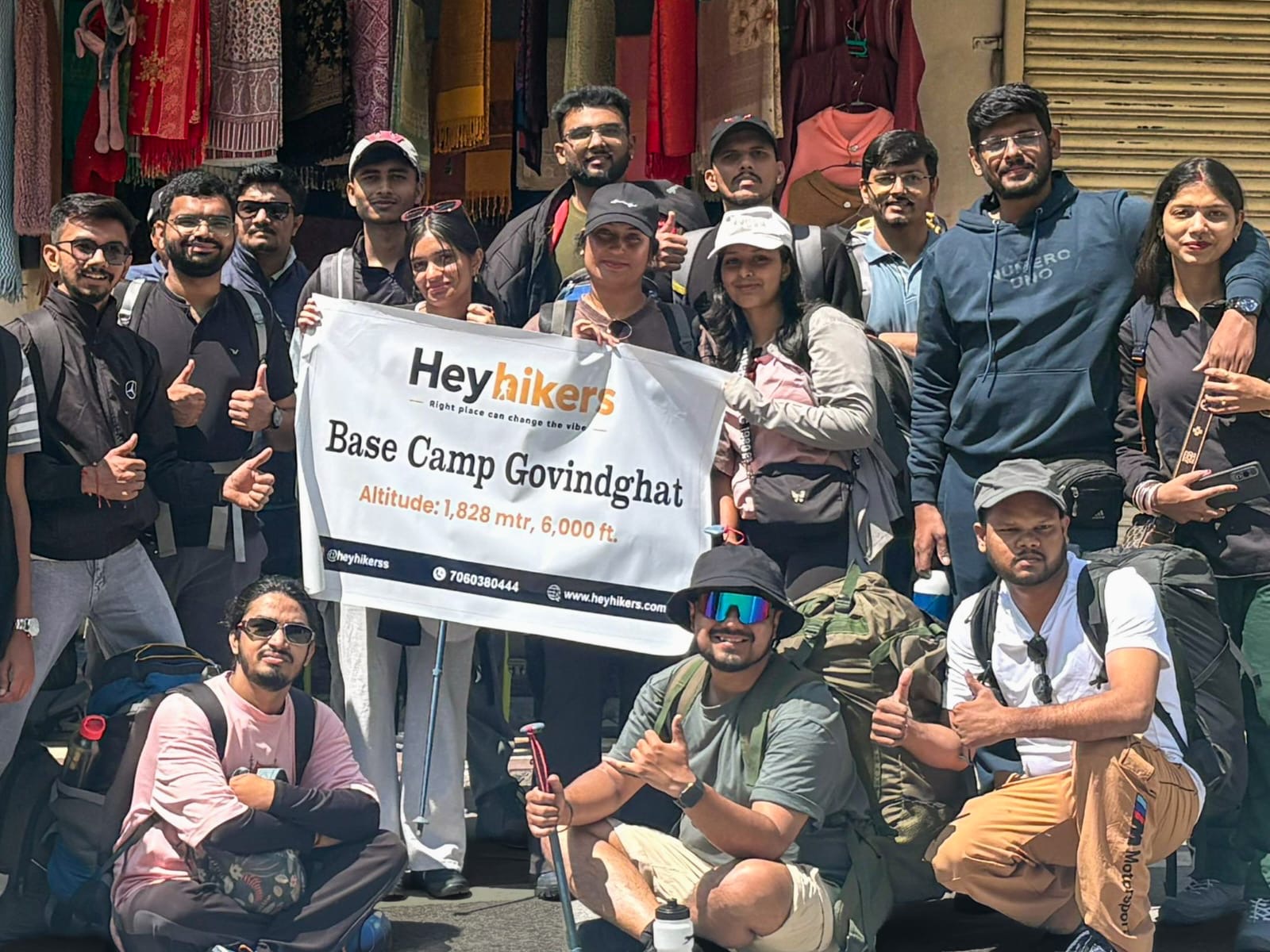
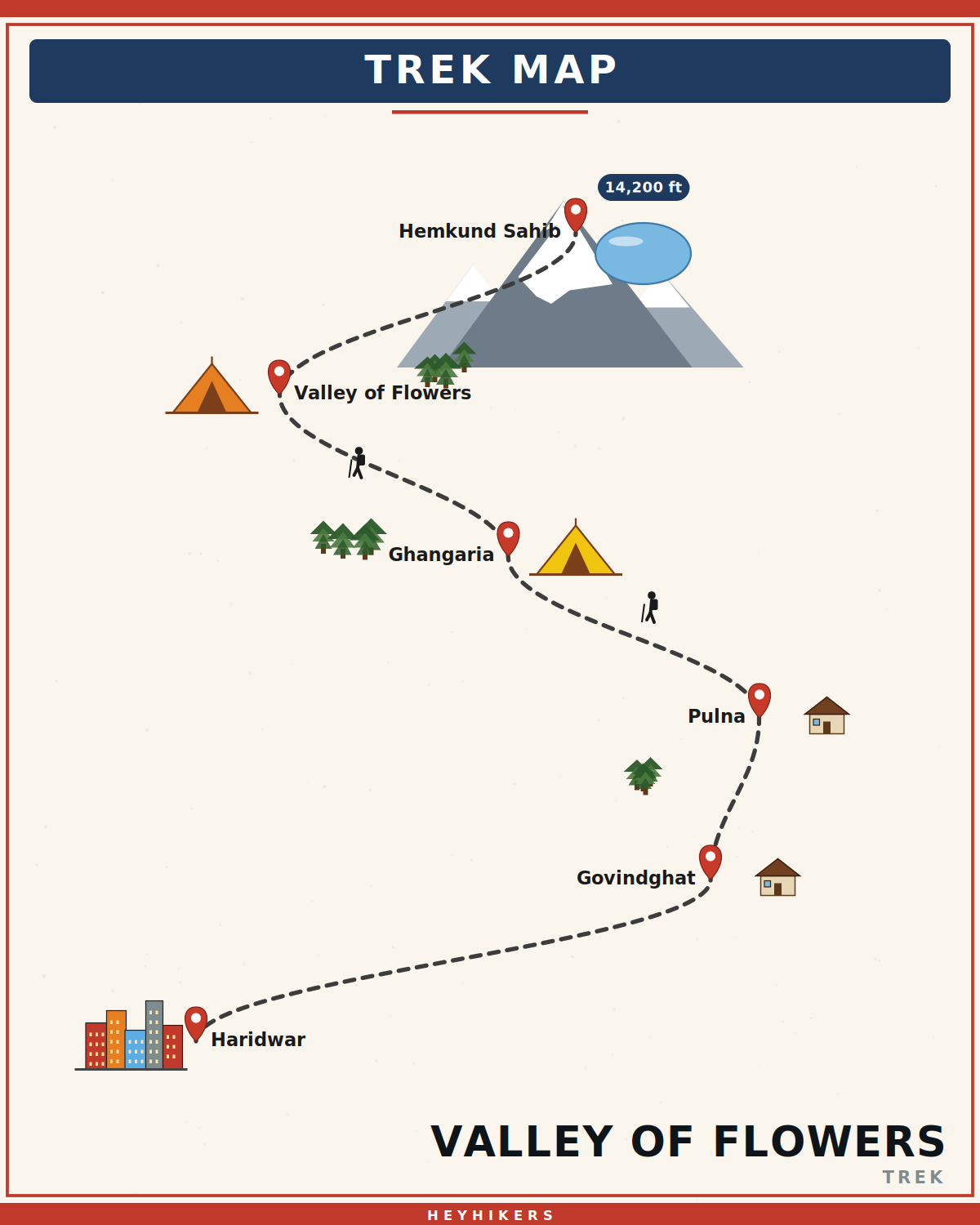
The trek begins with a 280 km drive up the Alaknanda valley from Haridwar through Devprayag, Rudraprayag, Karnaprayag, and Joshimath to Govindghat (5,990 ft). Day 2 is the trekking ascent to Ghangaria (10,500 ft) — 9 km on a paved pilgrim trail along the Lakshman Ganga. Day 3 is the valley exploration day (8 km round trip). Day 4 is the Hemkund Sahib excursion (12 km round trip, gaining 3,700 ft). Days 5-6 retrace the route back to Haridwar.
Hemkund Sahib — the pilgrim component
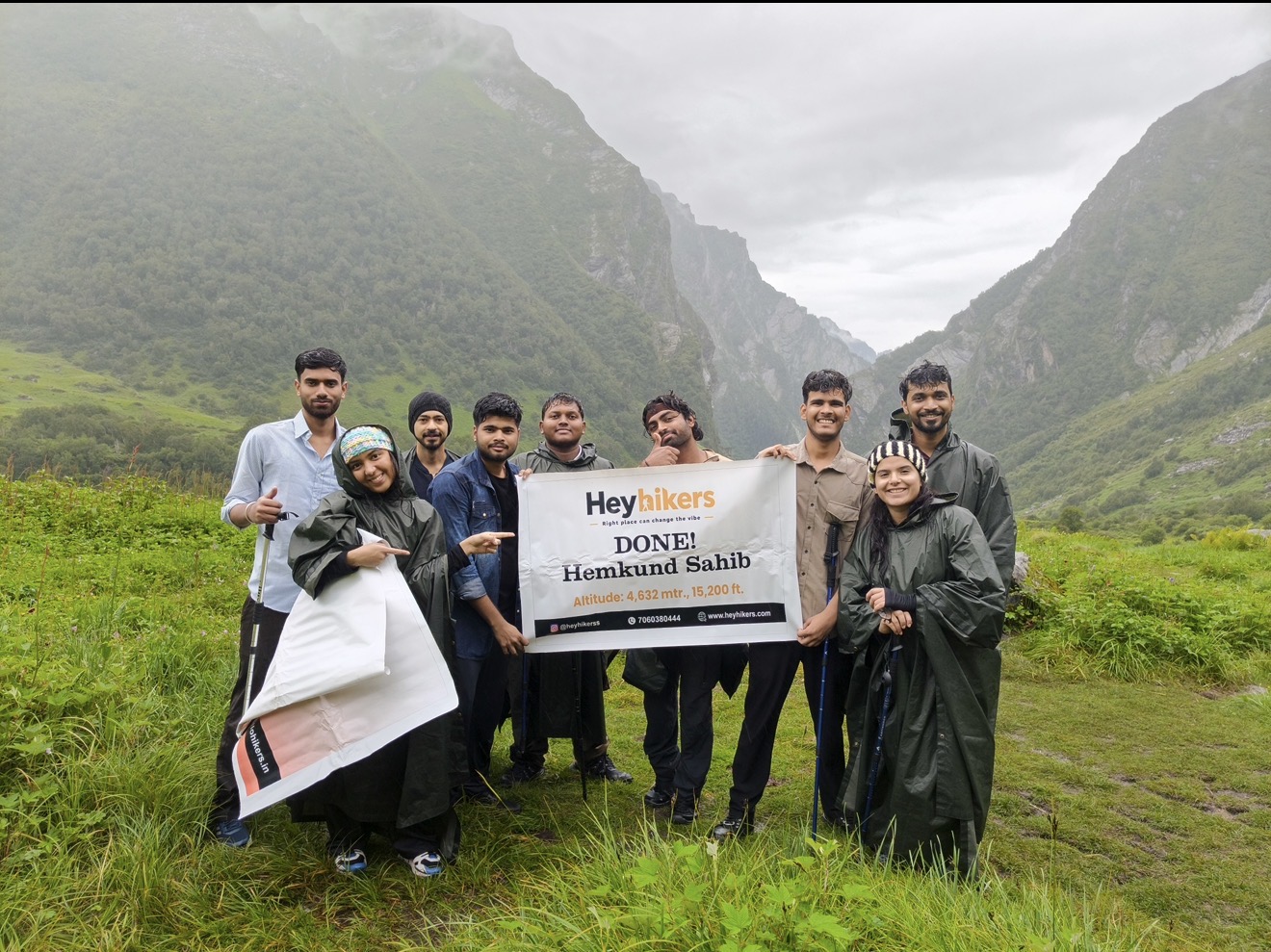
Hemkund Sahib at 14,200 ft is one of the highest gurudwaras in the world, built around a small glacial lake sacred to both Sikhs and Hindus. The 6 km trail from Ghangaria climbs 3,700 ft on a paved stone path with thousands of stone steps; pilgrims of all ages, including elderly men and women in traditional dress, complete the climb daily. The lake is a 100-metre kidney-shaped tarn ringed by seven snowy peaks (the Saptashringa). Sikh tradition holds that Guru Gobind Singh, the tenth guru, meditated here in a previous life. A dip in the freezing water is the standard pilgrim ritual; free langar is served inside the gurudwara hall daily.
Best season and weather
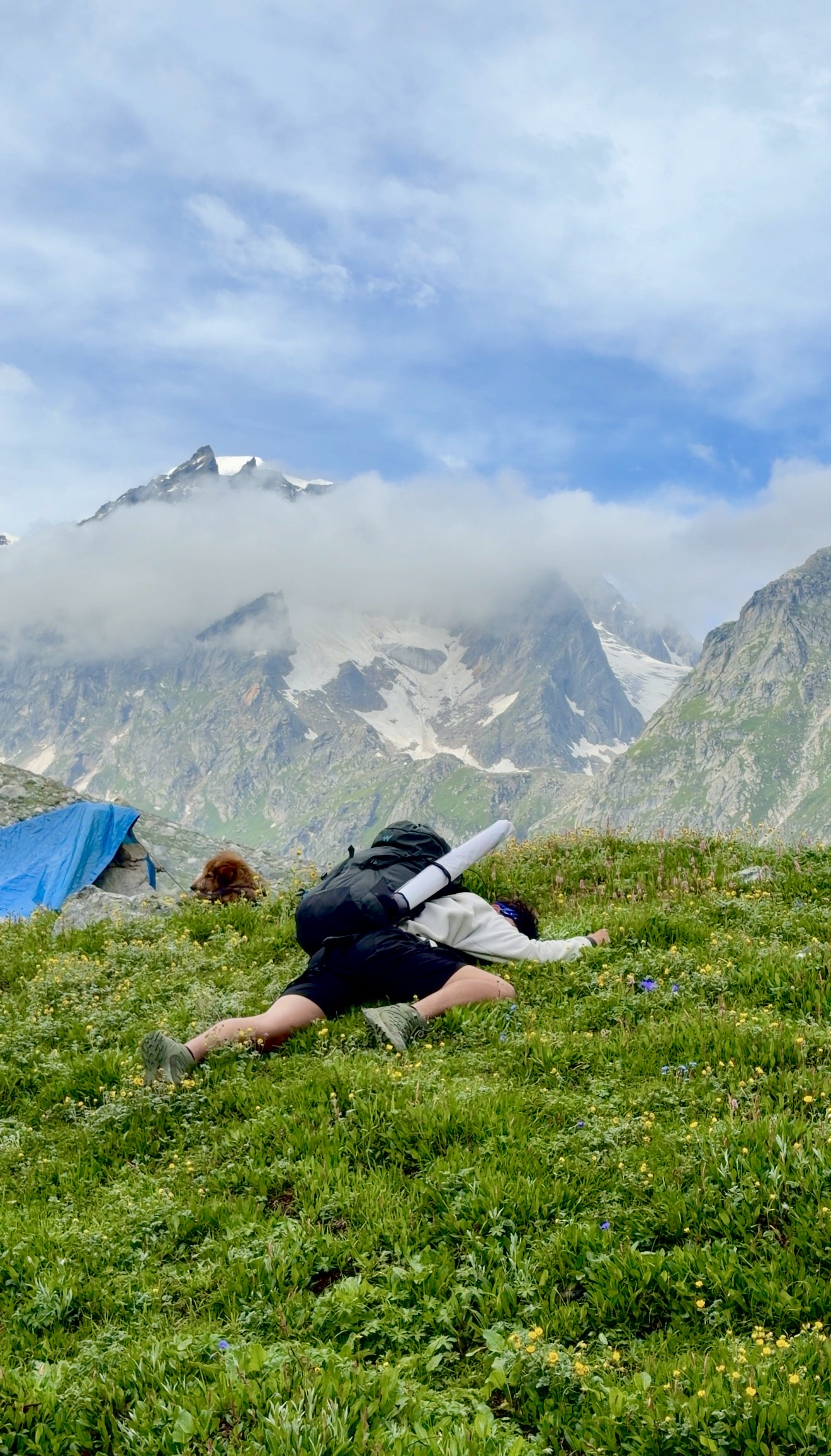
The valley is open from 1 June to 4 October by Forest Department rule, but the actual flower window is much narrower. Mid-July to mid-August is peak bloom — the valley is at its densest and most photogenic but it is also peak monsoon, with rain on roughly 80% of days. Late August to mid-September is post-peak — fewer flowers but better weather, clearer skies, and golden alpine grass. Outside this window the valley is closed (snow from October-May, Forest Department gates locked). Daytime temperatures range from 12-18°C in the valley to -2°C at Hemkund Sahib in early morning.
Permits and access
The valley is inside Nanda Devi National Park, a UNESCO biosphere reserve with strict daily entry caps. Each trekker pays a per-day permit fee at the park entrance gate (we handle this in the package); permits are non-transferable and must be carried for the entire trek. Camping inside the valley is forbidden and Forest Department rangers patrol the valley daily. Plastic bottles, cooking, and overnight stays are banned within the park boundary. We pack out all waste.
Difficulty and who it's for
The Valley of Flowers is a graded easy trek with one demanding day (Hemkund). The total trekking is about 38 km over 4 walking days, on paved or well-trodden trails. Sleeping altitudes are moderate (5,990 ft Govindghat, 10,500 ft Ghangaria). Suitable for first-time Himalayan trekkers, families with children 10+, and older trekkers in reasonable health. The Hemkund excursion is optional — anyone with knee issues can rest at Ghangaria while the rest of the team climbs. We see school groups, pilgrim families, and solo travellers on every batch.
Cultural and pilgrim context
The Valley of Flowers and Hemkund Sahib together form one of the most active monsoon pilgrim circuits in the western Himalayas. The Sikh community has been making the Hemkund pilgrimage since the 1930s when the lake was identified as the meditation site mentioned in Guru Gobind Singh's autobiography (Bachittar Natak). On any given day in August the trail to Ghangaria sees thousands of pilgrims, hundreds of mules, and helicopter shuttles. The Sikh community runs free langar halls (community kitchens) at Govindghat, Ghangaria, and Hemkund — anyone can eat for free, and most trekkers do at least one meal a day at a langar. The combination of botanical wonder and pilgrim infrastructure makes this trek unlike any other in India.
Photos
Itinerary
Map
What trekkers say
"I'd never camped in snow before. The HeyHikers team made me feel safe every single step. The summit sunrise — standing at 12,500 ft watching peaks turn gold — I cried. Not from the cold. From the beauty."
PS
Priya Sharma
Kedarkantha, Dec 2025
"Seven lakes, each more unreal than the last. The logistics were flawless — the food at 13,000 ft was better than most restaurants I know. Our guide Farooq knew every stone on the trail. Doing Goechala with them next."
AM
Arjun Mehta
Kashmir Great Lakes, Aug 2025
Inclusion
- All meals
- Guesthouse stays
- Trek guide
- National park entry permits
- First aid
- Transport from Haridwar
Exclusion
- Personal gear
- Porter/mule charges
- Insurance
- Tips
Things to Carry
- Trekking shoes (high-ankle, broken-in)
- 40-50L backpack with rain cover
- Two pairs of trek pants
- Three full-sleeve t-shirts (synthetic, not cotton)
- Fleece jacket and a heavier down/insulated jacket
- Thermal innerwear (top + bottom)
- Waterproof outer shell (jacket + pants)
- Woollen cap, sun cap, balaclava
- Two pairs of warm gloves (inner liner + outer)
- UV-rated sunglasses
- Headlamp with spare batteries
- Reusable water bottles (2L total) or hydration bladder
- Personal medical kit and prescription medicines
- Sunscreen (SPF 50+) and lip balm
- Toiletries and quick-dry towel
- Original photo ID (mandatory at forest checkposts)
How to Reach
Drive or train to Haridwar (Dehradun also works). Our shared transport departs Haridwar Railway Station at 6:00 AM on Day 1 and reaches Govindghat in 10-12 hours via Rishikesh, Devprayag, Rudraprayag, Karnaprayag, and Joshimath.
Helicopter to Ghangaria is available privately from Govindghat (weather-permitting); not part of our package but easily arranged.
Safety & Security
- Acclimatize properly — never skip rest days at altitude.
- Drink at least 4 litres of water per day above 9,000 ft.
- Tell your trek leader immediately if you feel headache, nausea, or breathlessness — early AMS signs are treatable, ignored ones are not.
- Stay close to the group; do not take shortcuts off the marked trail.
- Avoid alcohol and smoking for the entire duration of the trek.
- Keep a buffer day for travel — Himalayan roads can close without notice.
- Carry travel insurance that explicitly covers high-altitude trekking and helicopter evacuation.
Cancellation Policy
Cancellations must be requested in writing.
- More than 30 days before the trek start date: 90% refund. - 21–30 days before: 50% refund. - 11–20 days before: 25% refund. - 10 days or fewer: no refund, but you may transfer your slot to another trekker or to any future batch within 12 months at no extra charge.
Refunds are processed to the original payment method within 7-10 working days. Trip cancellations triggered by us (weather, force majeure, government restrictions) are refunded in full or moved to an alternate batch at your option.
Meet your trek leader
Akhil Deruwan
NIM Uttarkashi certified · 9 yrs experience
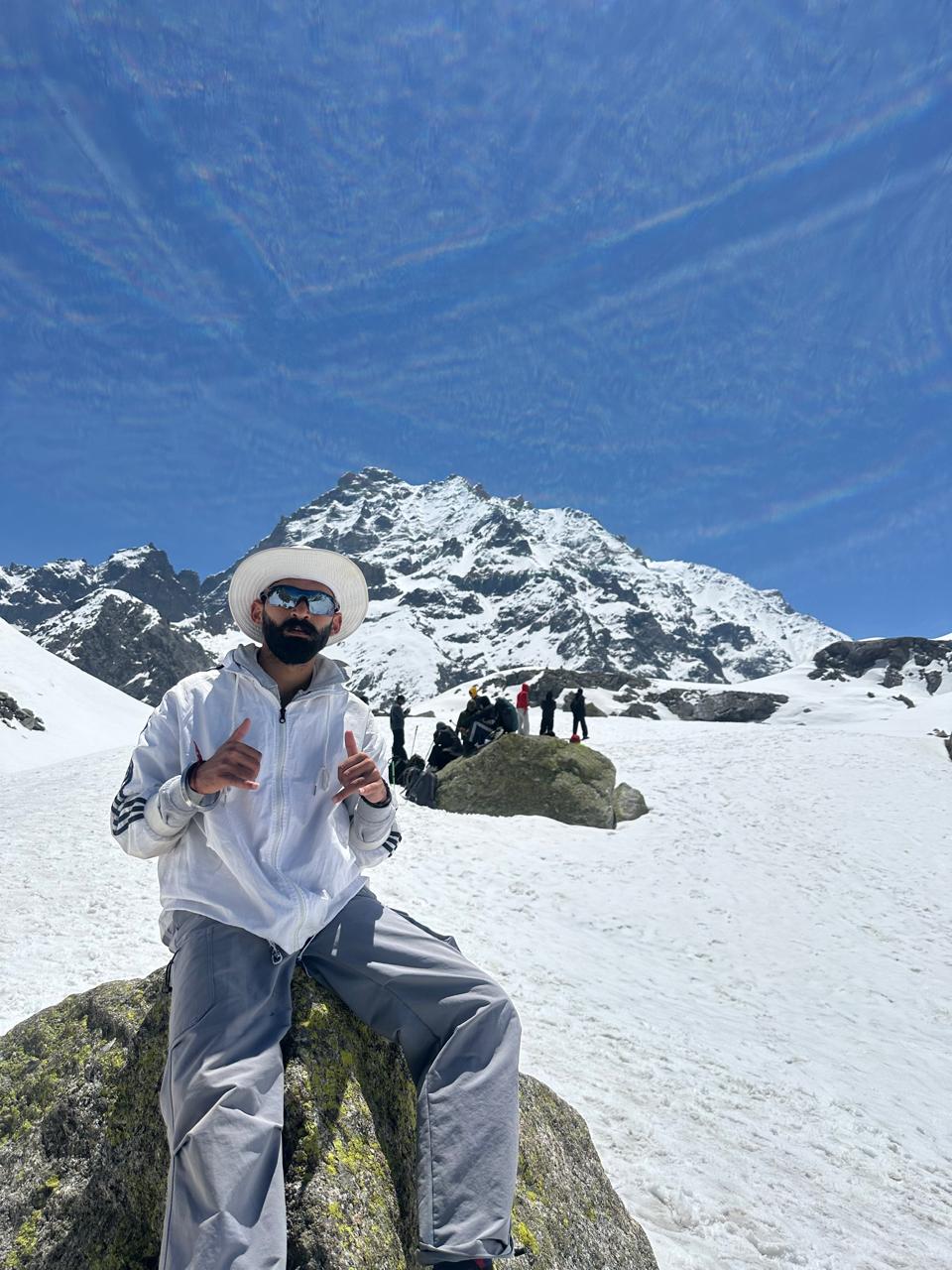
Akhil grew up in the foothills of the Garhwal Himalayas and has spent nearly a decade navigating its most demanding trails. He has led over 150 batches across Uttarakhand and Himachal Pradesh, with a strong focus on technical high-altitude routes and safety management. His calm under pressure and deep knowledge of local terrain make him a trusted leader for both beginner and advanced trekkers.
- Wilderness First Responder
- High Altitude Medicine
- Technical Route Navigation
- Search & Rescue
FAQ
Why Trek With Us
Travel Safe
Certified Team
Easy Cancellation
Well Equipped Campsite
Experienced Guide
No Hidden Charges